Leaving a Cat Alone for a Week: What to Set Up
A cat should not be left without in-person care for a week. Arrange a trusted person or pet sitter to visit at least daily, and set up food, water, litter, and emergency instructions before you go.
On this page (8 sections)
- Can you leave a cat alone for a week?
- What should a cat sitter do each day?
- How should you set up food and water?
- What should you prepare around the litter box?
- How can a camera help while you are away?
- What should you do before you leave?
- What if the feeder or camera fails?
- How do you prepare to leave a cat alone for a week?
Leaving a cat alone for a week requires a person to visit every day; an automatic feeder or camera cannot provide complete care. Set up food, fresh water, litter, a safe home, and written instructions so your sitter can follow your cat's routine and respond to problems.
Arrange the caregiver before you leave, then test any feeder or camera while you're still home. Your cat should have a reliable person to check on them even if an app sends alerts.
Can you leave a cat alone for a week?
No, a cat should not spend a full week without in-person care. A caregiver needs to check food and water, scoop litter, observe your cat, and deal with problems that may not show up on a camera.
Cats vary in how they handle time alone, and age, health, temperament, and routine matter. For general guidance on shorter absences, see how long a cat can be left alone at home.
Ask a trusted friend, family member, or professional sitter to visit daily. If your cat needs medication, close monitoring, or extra help, discuss the schedule with your veterinarian and arrange visits that match those needs.
What should a cat sitter do each day?
Give the sitter a short checklist that covers care and observation. A consistent routine helps them notice if your cat eats less, seems unwell, or behaves differently.
Ask the sitter to:
- Serve the planned meals and confirm your cat has eaten.
- Refresh water and check that bowls are clean and accessible.
- Scoop litter and look for changes in use.
- Spend time with your cat according to their usual comfort level.
- Check doors, windows, and the rooms your cat can access.
- Contact you if food, water, litter, or behavior raises concern.
Leave your veterinarian's contact details, a backup person, and a way to reach you. Point out the carrier, cleaning supplies, food, and any care items the sitter may need.
How should you set up food and water?
Keep your cat's usual food and schedule, with a person responsible for checking supplies. An automatic feeder may help dispense meals, but it can't confirm your cat ate or solve a jam by itself.
Portion food in advance if that makes the routine easier. Tell the sitter what to serve, where spare food is stored, and what to do if the feeder stops working.
Can an automatic feeder help during a week away?
An automatic feeder can support a feeding plan when a sitter still checks it in person. Before leaving, confirm it dispenses the intended food and schedule, and show the caregiver how to serve a meal manually if needed.
The PETLIBRO Automatic Cat Feeder With Camera combines scheduled feeding with app controls, feeding history, and a camera with night vision. Its maker describes support for up to 10 meals a day and dry kibble.
A camera view or feeding notification does not prove that your cat ate enough or feels well. Ask the sitter to check the bowl and your cat directly.
If you want a feeder without a camera, the PETLIBRO 5G WiFi Feeder With Twist-Lock Lid offers app scheduling, feeding logs, and alerts for an empty tank, jam, or low battery. It supports up to 10 meals per day, with portions set in the app.
Set out backup food and clear instructions in case the feeder loses power or stops dispensing. See automatic pet feeders for travel for more options and how to choose an automatic pet feeder for setup considerations.
How much water should you leave?
Provide clean water in more than one accessible place, and ask the sitter to refresh it daily. Multiple bowls reduce reliance on one spill-prone spot.
Place bowls away from the litter area and where your cat can reach them easily. Tell the sitter where spare bowls are kept, and ask them to check that water remains available.
Don't rely on a camera to confirm water is clean or a bowl hasn't tipped. The daily visit is the time to check and refill it.
What should you prepare around the litter box?
Leave enough clean litter and ask the sitter to scoop every day. A clean, accessible box helps keep the routine familiar and gives the caregiver a simple way to notice changes.
If you have more than one box, show the sitter each location and where you store waste bags. Avoid introducing a new litter type or moving the boxes just before your trip unless you have time to see how your cat responds.
Ask the caregiver to tell you about a box that is unusually clean, heavily soiled, or not being used. Those changes can be useful to discuss with your veterinarian.
How can a camera help while you are away?
A pet camera can show activity and let you check in, but it does not replace daily visits. It can add context between visits if you want to see whether your cat is in a room or near a feeding area.
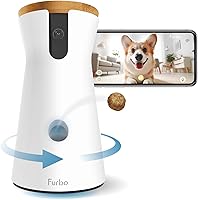
The Furbo 360 Cat Camera (No Ongoing Cost) has a rotating live view, two-way audio, color night vision, and treat tossing. Its core camera features work without a subscription; Furbo Nanny's premium alerts and other advanced features require a subscription after the trial.
Set the camera where it can view a common area without blocking your cat's path or invading a private space. Tell the sitter where it is and how you plan to use it.
A camera cannot tell you everything about your cat's condition, and alerts may need interpretation. For the basics, read how pet cameras work and how to choose a pet camera for your home.
What should you do before you leave?
Test the care plan while you're still at home. A dry run gives you time to fix confusing instructions or a feeder schedule before the trip.
Before departure:
- Confirm the sitter's dates, visit times, and backup contact.
- Show the sitter the food routine, water bowls, litter area, and carrier.
- Run any feeder or camera through its setup and check its alerts.
- Leave enough food, litter, cleaning supplies, and other routine items.
- Secure windows, doors, cords, and any rooms your cat should not enter.
- Share your contact details, veterinarian information, and emergency steps.
Keep your cat's routine and surroundings familiar where possible. Avoid making a major change to food, litter, or access just before you leave.
What if the feeder or camera fails?
Make sure the sitter can provide care without relying on connected devices. Leave a manual feeding plan, extra food, and instructions for what to do if an app or device stops working.
Ask the sitter to check that meals dispense and to contact you if the feeder is empty, blocked, or offline. A camera connection problem should not prevent the caregiver from visiting or following the written routine.
A feeder is a convenience, not the person responsible for your cat. For setup and common food-dispenser issues, see why an automatic cat feeder may jam.
How do you prepare to leave a cat alone for a week?
Leaving a cat alone for a week means arranging daily in-person care first, then using feeders and cameras only to support that plan. Choose a sitter who can follow your cat's routine, refresh water, clean litter, and contact you when something changes.
Choose the PETLIBRO camera feeder if scheduled feeding and a live view both help your plan. Choose the Furbo camera if you want a separate way to check in, or the PETLIBRO WiFi feeder if app scheduling and feeder alerts are the priority.
For a broader look at care during trips, read how long a dog can be left alone with a feeder for a related planning question, then use away-from-home pet care guides to plan the rest of your setup.
Frequently asked questions
Can I leave my cat alone for a week with an automatic feeder?
No. An automatic feeder can help keep scheduled meals on track, but it cannot replace a person checking your cat in person.
Arrange a trusted sitter or caregiver to visit daily, confirm your cat is eating and drinking, clean the litter area, and respond if the feeder or your cat has a problem.
How often should someone check on my cat while I am away?
Arrange at least one in-person visit each day for a week-long trip. The caregiver can refresh water, serve food, scoop litter, check your cat's behavior, and spot problems that a camera or app alert may not explain.
Cats with medical or special care needs may require more frequent visits.
Should I use a camera when leaving my cat alone?
A camera can help you see activity and check whether your cat is near a feeder, but it does not provide food, water, litter care, or help in an emergency. Treat it as an extra way to check in, while a person remains responsible for daily care.
What should I leave for a cat sitter?
Leave written instructions for meals, water, litter, medications if any, your veterinarian, and how to reach you. Include your cat's normal routine, a backup contact, the carrier location, and what changes should prompt a call.
Make sure the sitter can enter and knows where supplies are kept.