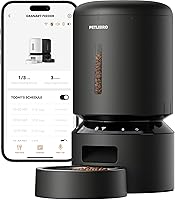
How to Clean a PETLIBRO Automatic Feeder
To clean a PETLIBRO automatic feeder, unplug it first, then empty the hopper and bowl and wash only the removable parts by hand in warm soapy water. Dry every part fully before you refill the food and plug the feeder back in.
On this page (10 sections)
- How do you clean a PETLIBRO automatic feeder step by step?
- What should you unplug and remove before washing?
- How do you wash the bowl and removable parts without damaging them?
- How do you dry every part before refilling?
- How do you deep clean the hopper and keep food fresh?
- How do you clean the outside and the food outlet?
- How often should you clean each part?
- What mistakes should you avoid when cleaning a PETLIBRO feeder?
- How do you keep the feeder cleaner for longer?
- How to clean a PETLIBRO automatic feeder: the routine that works
To clean a PETLIBRO automatic feeder, unplug it first, then empty the hopper and bowl and wash only the removable parts by hand in warm soapy water. Dry every part fully before you refill the food and plug the feeder back in.
The routine is short once you know which parts come off. The steps below cover weekly cleaning, deeper hopper care, drying, and the desiccant change that keeps kibble fresh between washes.
How do you clean a PETLIBRO automatic feeder step by step?
Unplug the feeder, empty it, wash the removable parts by hand, dry everything, and refill. That order keeps water away from the motor and the control panel.
- Switch off the feeder and pull the power cord from the outlet.
- Lift out the bowl and remove any removable hopper parts your model allows.
- Tip leftover kibble into a sealed container and wipe loose crumbs from the shell.
- Wash the bowl and removable parts in warm water with a few drops of mild dish soap.
- Rinse well, dry with a towel, and let the parts air-dry completely.
- Refit the parts, add fresh food, fit a dry desiccant packet, and plug the feeder back in.
Work over a sink or a towel so crumbs and water do not land on the electronics. If your feeder sits on carpet, move it to a hard floor for the job.
Our guide to the best automatic cat feeder for 2 cats covers models built for busier households if you are cleaning two units side by side.
What should you unplug and remove before washing?
Pull the power first, then remove only the parts your PETLIBRO model is designed to release. The bowl and the hopper lid come off on most models, while the motor base stays put.
Check the feeder's own instructions for which parts detach before you tug at anything. The base holds the motor and the control panel, and it never goes near water.
Tip the hopper over a container rather than shaking it over the floor. Leftover kibble keeps for a while in a sealed tub, but only if it stayed dry.
Keep the power cord and the adapter dry and away from the sink. If the cord picked up crumbs or dust, wipe it with a barely damp cloth and let it dry before storage.
How do you wash the bowl and removable parts without damaging them?
Wash removable parts by hand in warm water with mild dish soap, then rinse them well. A soft sponge handles dried food, while a scouring pad can scratch the plastic and leave marks where bacteria settle.
Fill a basin with warm water rather than running the tap the whole time. Let the bowl soak for a few minutes so dried food softens instead of needing hard scrubbing.
Pay attention to the bowl rim and the corners, where wet food collects. Rinse until the water runs clear so no soap film stays behind.
Skip the dishwasher unless PETLIBRO's instructions for your exact model allow it. Hand washing takes minutes and keeps the plastic and sensor contacts safe.
How do you dry every part before refilling?
Dry each part with a towel and then let it air-dry fully before it goes back on the feeder. Moisture is the main reason kibble clumps and spoils in a hopper.
Stand the bowl and hopper parts on a drying rack or a clean towel. Give them 20 to 30 minutes in the air, longer if the room is humid.
Wipe the inside of the feeder base with a dry cloth only. Never pour water into the base or spray cleaner near the motor, the screen, or the ports.
Check the bowl seat and the lid seal for trapped drops before refitting. A dry seal keeps humid air out and helps the desiccant last its full stretch.
How do you deep clean the hopper and keep food fresh?
Empty the hopper completely, wash the removable hopper parts, and dry the inside before adding new food. A full hopper clean is worth doing every two to four weeks, or sooner if the kibble smells stale.
Wipe the inside walls with a dry or barely damp cloth. Food dust and oil build up on the plastic and can turn rancid, which is why the smell test matters more than the calendar.
Let the hopper dry fully with the lid off before refilling. Trapped moisture plus warm room air is what turns fresh kibble soft and clumpy.
Fit a fresh desiccant packet when you refill. Harich CurLife recommends replacing the packet every half a month to keep the food dry and hygienic.
When should you replace the desiccant?
Replace the desiccant when the orange indicator beads turn dark green, or every half a month, whichever comes first. The color change tells you the silica gel has taken in all the moisture it can hold.
The Harich CurLife 16-pack fits PETLIBRO models PLAF001, PLAF002, PLAF101, PLAF005, PLAF006, PLAF103, PLAF203 and PLAF301. Each packet is individually wrapped and made from food-grade silica gel.
Keep the unopened packets in a dry cupboard. Store them away from the sink and the kettle, because open air starts the beads working before they ever reach the hopper.
How do you clean the outside and the food outlet?
Wipe the shell with a damp cloth and clear crumbs from the food outlet with a soft brush or a dry cloth. The outlet is where kibble drops into the bowl, so it collects dust and broken pieces.
Unplug the feeder before you reach near the outlet. A dry pastry brush or a clean toothbrush gets into the chute without pushing crumbs deeper.
Wipe the screen and the buttons with a barely damp cloth, then dry them at once. Avoid sprays, since liquid can run into the seams around the display.
Clear the bowl area of spilled kibble each day. Crumbs under the bowl draw ants and hold moisture, and they are also a common cause of feeding problems, as we explain in why my automatic cat feeder is jammed.
How often should you clean each part?
Wash the bowl about once a week and deep clean the hopper every two to four weeks. The desiccant gets a fresh packet every half a month, and the outside shell gets a quick wipe every few days.
| Part | How often | How to clean it |
|---|---|---|
| Bowl | Once a week | Hand wash in warm soapy water, rinse, dry fully |
| Removable hopper parts | Every two to four weeks | Hand wash and air-dry |
| Inside of hopper | Every two to four weeks | Wipe dry, refill only when fully dry |
| Food outlet | Every few days | Brush out crumbs with a dry brush |
| Desiccant packet | Every half a month, or when beads turn dark green | Swap for a fresh packet |
| Outside shell and screen | Every few days | Wipe with a barely damp cloth, dry at once |
Add a wash after any spill or after a stretch of humid weather. A cat that drools in the bowl or drags food out is another reason to shorten the gap between cleans.
Our look at whether automatic feeders are bad for cats covers the hygiene habits that keep a feeder safe between washes.
What mistakes should you avoid when cleaning a PETLIBRO feeder?
Never wash the motor base, soak the electronics, or refill a wet hopper. These three mistakes cause most of the damage and stale-food problems people run into.
- Do not put the base, cord, or adapter in water or under the tap.
- Do not use harsh cleaners, bleach, or scouring pads on the plastic.
- Do not refill until the hopper and bowl are completely dry.
- Do not skip the desiccant change when the beads have changed color.
- Do not plug the feeder back in with wet hands or a wet cord.
If your feeder stops feeding after a clean, check that every part is seated correctly and that the outlet is clear. Programming the schedule again is simple if a reset wiped it, and our guide to how to program a PETLIBRO automatic feeder walks through the steps.
How do you keep the feeder cleaner for longer?
Keep the lid closed, top up only dry food, and wipe the bowl rim every few days. Small habits cut down how often you need a full wash.
Store spare kibble in a sealed container rather than leaving the bag open. Dry food that has already picked up moisture will spoil faster once it is in the hopper.
Place the feeder away from the sink, the kettle, and steamy windows. A dry spot keeps the desiccant working longer and stops condensation inside the hopper.
Wash your hands before handling kibble. It sounds minor, but it keeps oils and crumbs out of the hopper between scheduled cleans.
How to clean a PETLIBRO automatic feeder: the routine that works
For anyone wondering how to clean a PETLIBRO automatic feeder, the answer is a short weekly wash of the bowl, a monthly hopper clean, and a fresh desiccant packet every half a month. Unplug first, wash removable parts by hand, and dry everything before refilling.
Pick a cleaning day that matches your refill day so the two jobs happen together. A dry hopper with a fresh desiccant packet keeps kibble crisp and the feeder smelling clean.
If you keep more than one cat fed by machine, the tips in our multi-cat feeder guide help you split the cleaning routine between units.
Frequently asked questions
How often should I take a PETLIBRO feeder apart to clean it?
Wash the bowl and any removable hopper parts about once a week for a single cat. Empty and wipe the hopper itself less often, roughly every two to four weeks, and replace the desiccant every half a month as Harich CurLife recommends.
Can the hopper go in the dishwasher?
Wash removable parts by hand unless PETLIBRO's instructions for your exact model say otherwise. Hand washing with warm water and mild soap protects the plastic and the moisture sensor contacts, and it takes only a few minutes.
What should I do if the food in the hopper smells stale?
Empty the hopper completely, wash and dry it, and fit a fresh desiccant packet before adding new food. Stale smells usually mean moisture got in, so check that the lid seals flat and that the desiccant has not changed color.
Is it safe to put wet parts back on the feeder?
No. Let every part air-dry fully before it goes back on the feeder, because trapped moisture clumps kibble and can reach the electronics.
A quick towel dry plus 20 to 30 minutes of air drying covers most removable bowls and hoppers.
How do I keep the feeder clean between full washes?
Wipe the bowl rim and the outside shell with a damp cloth every few days. Top up food only when the hopper is dry, keep the lid closed, and swap the desiccant on schedule so moisture never builds up between deeper cleans.