Are Automatic Feeders Bad for Cats?
Automatic feeders aren't bad for cats when you use them to support a suitable feeding plan. They can keep meals on schedule, but they don't replace fresh water, regular checks, or care from a person.
On this page (9 sections)
- Are automatic feeders bad for cats?
- What are the main drawbacks of an automatic cat feeder?
- When can an automatic feeder help?
- What should you check before relying on one?
- Can you leave a cat alone with an automatic feeder?
- Which cats may need a different feeding plan?
- Are automatic feeders bad for cats who eat wet food?
- How can you use an automatic feeder responsibly?
- Are automatic feeders bad for cats in your home?
Automatic feeders aren't bad for cats when you use them to support a suitable feeding plan. They can keep meals on schedule, but they don't replace fresh water, regular checks, or care from a person.
A feeder is a tool for portioning and timing food. Whether it fits your cat depends on the feeding plan, the cats in your home, and how you'll notice if a meal is missed.
Are automatic feeders bad for cats?
No, an automatic feeder isn't inherently bad for cats. It can help keep meals consistent, especially when your schedule varies, as long as the portions and food suit your cat.
The main risk is treating the machine as a caregiver. A feeder can't tell you whether your cat seems unwell, and a jam, empty tank, or power problem can interrupt meals.
Keep an eye on how your cat eats and behaves. If you use an app, check its feeding records and alerts, but don't assume that a scheduled meal always reached the bowl.
For a plain overview of feeder types and how they work, see our guide to automatic pet feeders.
What are the main drawbacks of an automatic cat feeder?
The main drawbacks are missed meals, poor portion choices, and less direct observation. These problems can be managed with the right setup and regular checks.
Can a feeder jam or stop working?
A jam or power issue can interrupt a meal. Choose a spot where you can inspect the bowl and food outlet, and check the feeder after setup to confirm that scheduled portions dispense.
Some models send alerts or include battery backup, but those features don't remove the need to check in. If food stops dispensing, troubleshoot a jammed automatic cat feeder before relying on it again.
Can an automatic feeder hide appetite changes?
It can make feeding less visible if you don't check the bowl or records. Notice how much your cat eats and whether its routine changes; contact your veterinarian about a concerning change.
A camera or intake record may provide more information about meals, but it can't diagnose a health problem. If your cat has a medical condition or a prescribed diet, ask your veterinarian whether the feeder's schedule and portions fit the plan.
Can cats steal each other's food?
Yes. In a multi-cat home, one cat may eat another's portion unless you supervise meals or use a setup that limits access.
The PETLIBRO RFID Automatic Cat Feeder uses a collar tag sensor to open for the designated cat, and its app tracks eating habits and portions.
The feeder supports only its provided collar tag. Consider whether each cat will tolerate wearing it, and keep checking that the intended cat eats.
When can an automatic feeder help?
A feeder can help when your cat has a regular meal plan and you need food dispensed at set times. It can also make portions easier to repeat, depending on the model and how you set it up.
A scheduled feeder may suit a household where people leave for work at different times. It's also useful when your cat expects smaller meals throughout the day, if the feeder can handle the schedule your veterinarian recommends.
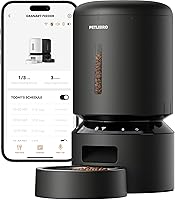
The PETLIBRO 3L WiFi Automatic Cat Feeder lets you schedule up to 10 meals a day and adjust portions through its app. It also offers feeding records and alerts for problems such as an empty tank or jam.
Set the portions carefully and check the bowl after meals. App access depends on a working connection, so don't make remote control your only way to confirm feeding.
What should you check before relying on one?
Check the portion size, power plan, food type, and how you'll confirm that meals were eaten. A feeder is a better fit when these details match your cat's routine.
Start by measuring the portions your cat should receive. Compare that amount with the feeder's portion controls, and follow your veterinarian's advice if your cat needs a specific diet.
Think about what happens if the power or internet goes out. Some feeders have battery backup, but features differ; keep a backup plan and test the setup before leaving your cat to rely on it.
The PETLIBRO Scale AI Camera Feeder combines scheduled feeding with a camera and food intake tracking. Its features may help you review meals, though some analysis and video storage features require a subscription in the app.
Decide whether those tracking features would help you act on a change. A camera doesn't replace a person checking on your cat, and recording video may require an in-app subscription.
Can you leave a cat alone with an automatic feeder?
A feeder can help with meals during a short absence, but it doesn't make a cat independent of human care. Your cat still needs fresh water, a clean litter box, and someone who can check in.
Before you leave, confirm that the feeder is filled, plugged in or has its backup power ready, and dispensing correctly. Leave clear instructions for the person checking in, including what to do if the feeder stops working.
How long a cat can safely be alone depends on its age, health, temperament, and care needs. Read how long a cat can be left alone at home before planning an absence.
For a longer trip, arrange for a person to check your cat and handle care beyond feeding. Our guide to setting up before leaving a cat alone for a week covers the other parts of the plan.
Which cats may need a different feeding plan?
A cat with a medical condition, a prescribed diet, or a major change in appetite may need a plan set with a veterinarian. Don't use automation to guess at portions or feeding times.
Kittens, older cats, and cats who need medication may have needs that call for more frequent attention. Ask your veterinarian whether scheduled feeding is suitable, and how often someone should check your cat.
In a multi-cat home, separate feeding areas or a feeder designed to limit food stealing may help. Watch how the cats behave around the equipment, and change the setup if one cat is stressed or blocked from eating.
Are automatic feeders bad for cats who eat wet food?
It depends on the feeder and its instructions. The three feeders discussed here are described for dry food, so don't assume they're suitable for wet food.
Wet food needs careful handling, especially when it sits out. Check the feeder's instructions and ask your veterinarian how to manage your cat's meals safely if wet food is part of its diet.
How can you use an automatic feeder responsibly?
Use the feeder to support a feeding routine, then confirm that the routine works for your cat. Start with a supervised trial before depending on it during an absence.
- Follow your cat's feeding plan and set measured portions.
- Run a few scheduled meals while you're home.
- Check the bowl, food supply, alerts, and app records.
- Make sure your cat can reach the bowl without being crowded or blocked.
- Arrange for a person to check in when you're away.
Keep fresh water available and clean the feeding area as needed. If your cat misses meals or its eating habits change, address that directly instead of relying on the feeder to solve it.
Are automatic feeders bad for cats in your home?
An automatic feeder can be a useful part of a cat's routine if you choose one that fits the feeding plan and keep checking your cat. It can't replace human care, and the wrong portions or an unnoticed failure can cause problems.
Choose the PETLIBRO RFID model if food stealing between cats is the main concern. Choose the 3L WiFi model for scheduled meals and app records, or the Scale AI Camera model if reviewing meals and intake tracking would help you.
Before planning time away, read how long a cat can be left alone and set up a person to check in as needed.
Frequently asked questions
Are automatic feeders safe for cats?
An automatic feeder can support a safe routine if it dispenses the right food and portions, and you check that it works. It can't respond to a cat's illness, a jam, or a change in appetite by itself.
Keep water available and arrange for a person to check on your cat.
Can an automatic feeder replace a person feeding a cat?
No. A feeder can dispense scheduled meals, but it can't check your cat's overall condition, refresh water, clean the litter box, or respond to an emergency.
Use it as part of a care plan, with someone checking your cat when you're away.
Do automatic feeders make cats overeat?
They can contribute to overeating if portions are too large or the cat can reach extra food. Set portions to match your cat's feeding plan, prevent food stealing in multi-cat homes, and check the food supply and feeding records rather than assuming each meal went as planned.
Should I use an automatic feeder for a cat with a medical diet?
Ask your veterinarian whether a feeder suits your cat's diet and schedule. In a multi-cat home, a feeder with a collar tag sensor can help direct meals to one cat, but it only supports its provided tag and doesn't replace checking that the cat ate.